
Running a West Haven Sex Offender Check
The official starting point is the Connecticut Sex Offender Registry, maintained by DESPP. Search by a known identity when checking a particular person. Use the live geographic or address tools, when offered, for community awareness near a West Haven location. The exact controls can change, so read the current form instead of relying on an old screenshot or guessed search radius.
There is no New Haven County sheriff’s registry and no verified WHPD registry map or alert app. That distinction matters. West Haven Police Department can receive a good-faith report about suspected noncompliance, but it is not a substitute public database. Record the official profile link, date checked, and the facts that prompted concern. Do not visit an address or try to investigate a person.
West Haven Registry Roles
DESPP maintains the statewide registry, receives registration data, and controls public dissemination. WHPD’s role is local law enforcement. The two agencies therefore answer different needs. A portal question belongs with DESPP; an immediate threat belongs with police. Suspected failure to comply may be reported to WHPD at 203-937-3900 or to DESPP through the contact route published with the registry.
Connecticut law generally requires verification every 90 days. Verification is an ongoing duty, not a promise that every public field is current at every moment. A move, data-entry change, court order, or transfer from another jurisdiction can affect what appears. Save the search terms used before reporting an apparent gap.
Searching the Connecticut Sex Offender Registry
Begin with the DESPP source and use the least ambiguous facts available. A name can match more than one person, while an address may be entered in a format the portal does not recognize. Search results are leads for public-safety awareness, not proof that a person at a home is the registrant shown.
- Open the DESPP registry and review its conditions and current search instructions.
- Enter a known name, or use the geographic and address controls exposed by the live portal.
- Compare aliases, physical details, offense information, and location rather than relying on a name alone.
- Open the profile, note its status and update details, then verify any concern through DESPP or WHPD.
| Search route | Useful input | Required? | Reading note |
|---|---|---|---|
| Name search | Last and first name | Follow live form | Check aliases and identifying details |
| Geographic search | West Haven address or place | Follow live form | Confirm accepted address format |
| Map or radius | Controls shown by portal | No fixed value verified | Do not assume an old radius option |
| NSOPW | Name or location | Varies | Adds participating jurisdictions |
DESPP and NSOPW Searches
The National Sex Offender Public Website is the official cross-state layer. It is useful when a person has moved, when the relevant address is outside Connecticut, or when the jurisdiction tied to an offense is not clear. NSOPW gathers results from participating jurisdictions. The underlying state or tribal source still controls the record.
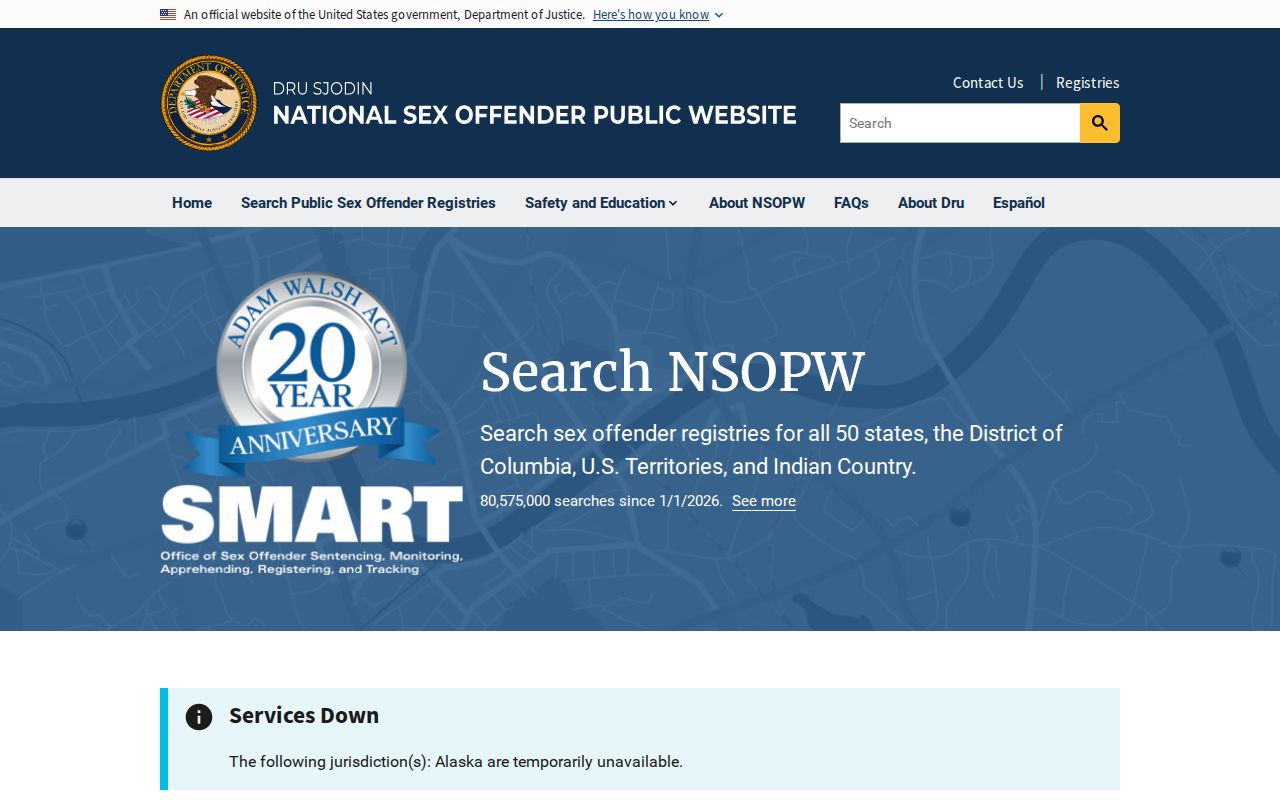
Run both searches when the safety question crosses state lines. Differences do not automatically mean one source is wrong. Updates and dissemination rules can produce different timing. Follow a result back to its originating agency before relying on it.
What a West Haven Registry Profile Shows
A live public profile may expose the fields below, but the statute authorizes DESPP to collect more than it publishes. Internet identifiers are among the data gathered by the state, yet they are not ordinary public profile data. Treatment records also should not be expected on a public page. Read only what the current profile actually displays.
| Name and aliases | Identity labels used to distinguish the record |
|---|---|
| Photo and description | Image and physical traits when publicly displayed |
| Address | Published residence detail, subject to lawful limits and change |
| Offense information | Statute, description, and conviction or release details when shown |
| Vehicles and marks | Vehicle or identifying-mark data only when the live profile includes it |
| Registration status | Compliance, verification, or related status supplied by the registry |
Never copy a private person’s name, address, or photo into a neighborhood post. A profile is meant to help people make informed safety plans. It is not a license to spread claims beyond the state record.
Reading West Haven Registry Fields
Dates require special care. A conviction date, release date, registration start, and verification date describe different events. Address data can also lag a move or lawful update. Vehicle information may change sooner than an older screenshot suggests. The safest practice is to retain the current official link and check it again before acting on a safety concern.
Offense text should be read with its statute. Connecticut categories are offense-based. They are not public risk scores. A profile also may not show every fact DESPP holds. Public dissemination is narrower than state collection, and an omission should not be filled with guesswork.
Registration Requirements and Levels in Connecticut
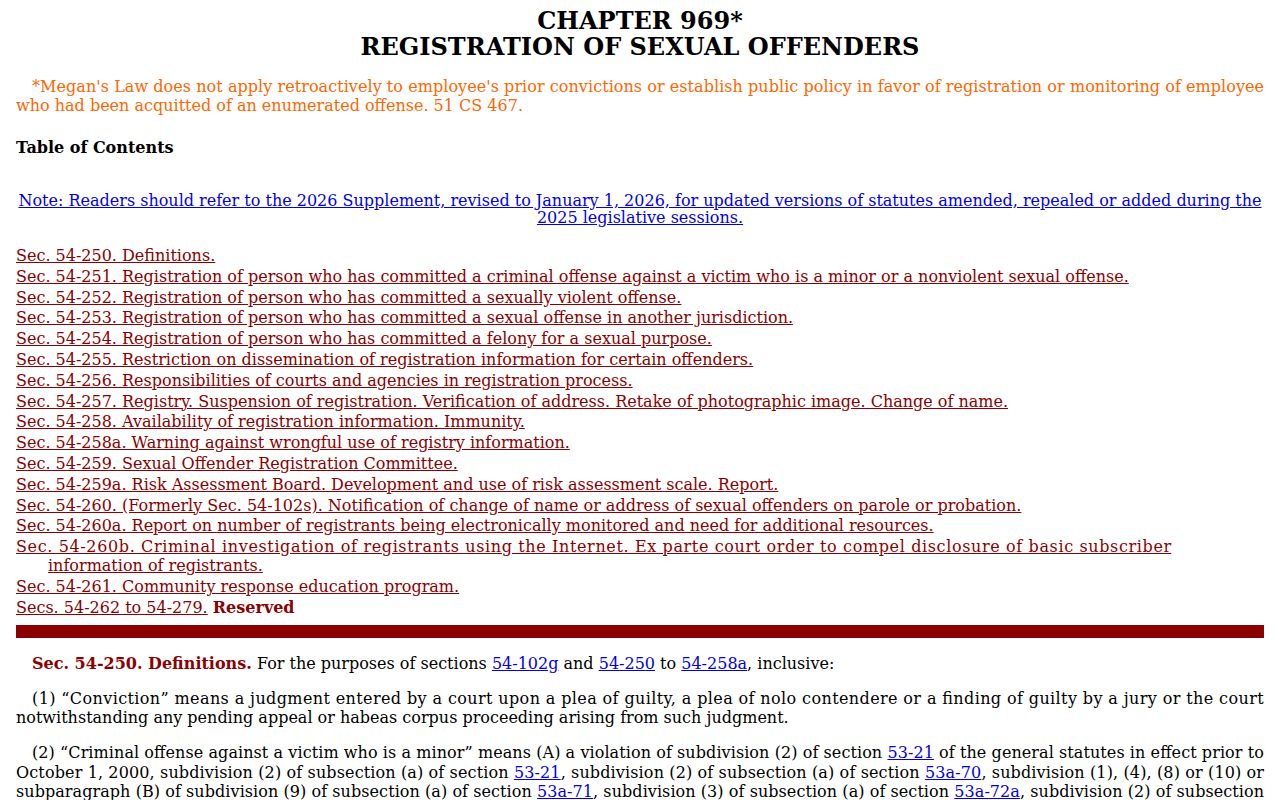
Connecticut does not use public Tier I, Tier II, and Tier III risk labels for this registry. Chapter 969 instead ties duties to statutory offense categories and court findings. General duration rules appear below, but a prior qualifying conviction, specified offense, another jurisdiction’s order, or a restricted-dissemination order can change the public picture.
| Connecticut category | General duration | Public-access caution |
|---|---|---|
| §54-251 qualifying minor-victim or nonviolent sexual offense | 10 years | Specified repeat or offense circumstances can require life |
| §54-252 sexually violent offense | Life | Offense category, not a public risk tier |
| §54-253 out-of-jurisdiction duty | Depends on law or order | Transferred duty must be checked |
| §54-254 felony for sexual purpose | Court and statute control | Judicial finding matters |
| §54-255 restricted dissemination | Underlying duty continues | Public access may be limited to law enforcement |
The General Assembly’s Chapter 969 is the source for these duties and restrictions.
When West Haven Results Are Empty
No result does not certify that no legal duty exists. A spelling difference, changed address, portal timing, another jurisdiction, or a lawful §54-255 order may explain the absence. Some registration information can be restricted to law enforcement. Run reasonable variants, check NSOPW, and then contact the proper agency if a concrete safety concern remains.
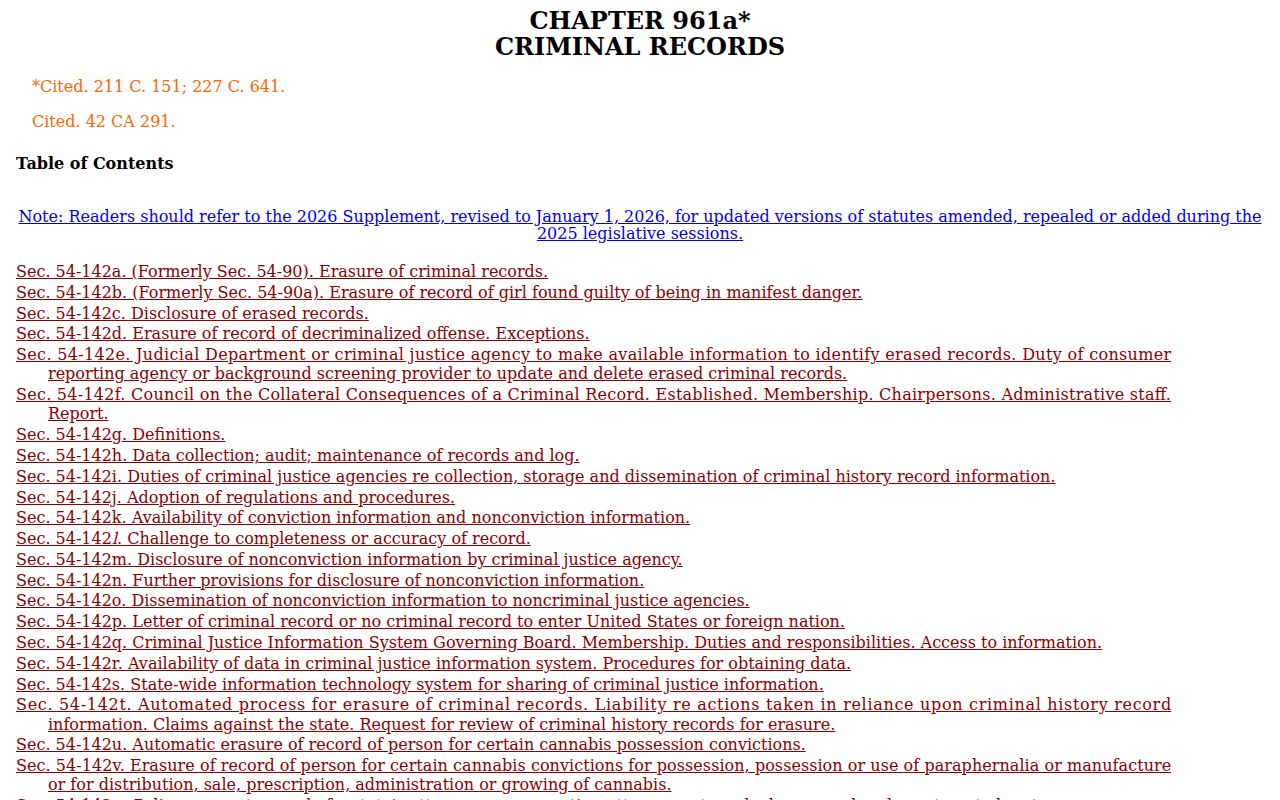
Erasure and dissemination rules can also affect public records. The Connecticut criminal-record statutes explain related limits and record treatment.
Report West Haven Noncompliance Safely
If a profile seems inconsistent with firsthand facts, write down the official URL, search date, exact location concern, and what was observed. Send that information to WHPD or DESPP. Investigators can compare nonpublic verification data and determine whether any duty was breached. Members of the public cannot make that determination from a map alone.
Do not approach the listed address. Do not confront anyone, follow a vehicle, or publish an allegation. Call 911 for an immediate threat. For a nonemergency concern, use WHPD’s main line and state that the issue concerns possible registry noncompliance.
Lawful Use of West Haven Registry Records
Registry information supports personal, family, and community safety. It can inform a talk with children, a review of a walking route, or a call to law enforcement about a specific concern. It should be checked at the official source and kept in context. A profile does not authorize private punishment, surveillance, or a claim about conduct that the record does not state.
Use Registry Data Lawfully. Connecticut law prohibits using registry information to threaten, harass, intimidate, or commit a crime against a registrant or household. Report suspected noncompliance to WHPD or DESPP instead of confronting anyone.
The public registry can be useful only when readers respect its limits. Verify facts with the originating agency, protect private people from misidentification, and use emergency services when a danger is immediate.